Optogenetics Technology
What is Optogenetics
Optogenetics uses light‑responsive proteins to regulate cellular behavior
These proteins originate from natural photoreceptors found in organisms such as plants that use them to sense and respond to light in their environment.
By linking these light-sensitive proteins to proteins that drive transcription, Prolific is able to use light to control the transcription of any gene, to any level, at any time.
This approach can be applied to any existing cell line, enabling light-control on top of existing platform processes and technologies.
Prolific leverages optogenetics to achieve
full control of gene expression with light


A mature science, industrialized to address your challenges
Optogenetics is a mature science, having been developed in academia for the last 15 years. However, Prolific is the first to bring this powerful technology to industry applications using a combination of preclinical services and platform licensing.
Prolific has light-inducible expression systems with sensitivity to different wavelengths, enabling multiplexed control over the expression of multiple genes.
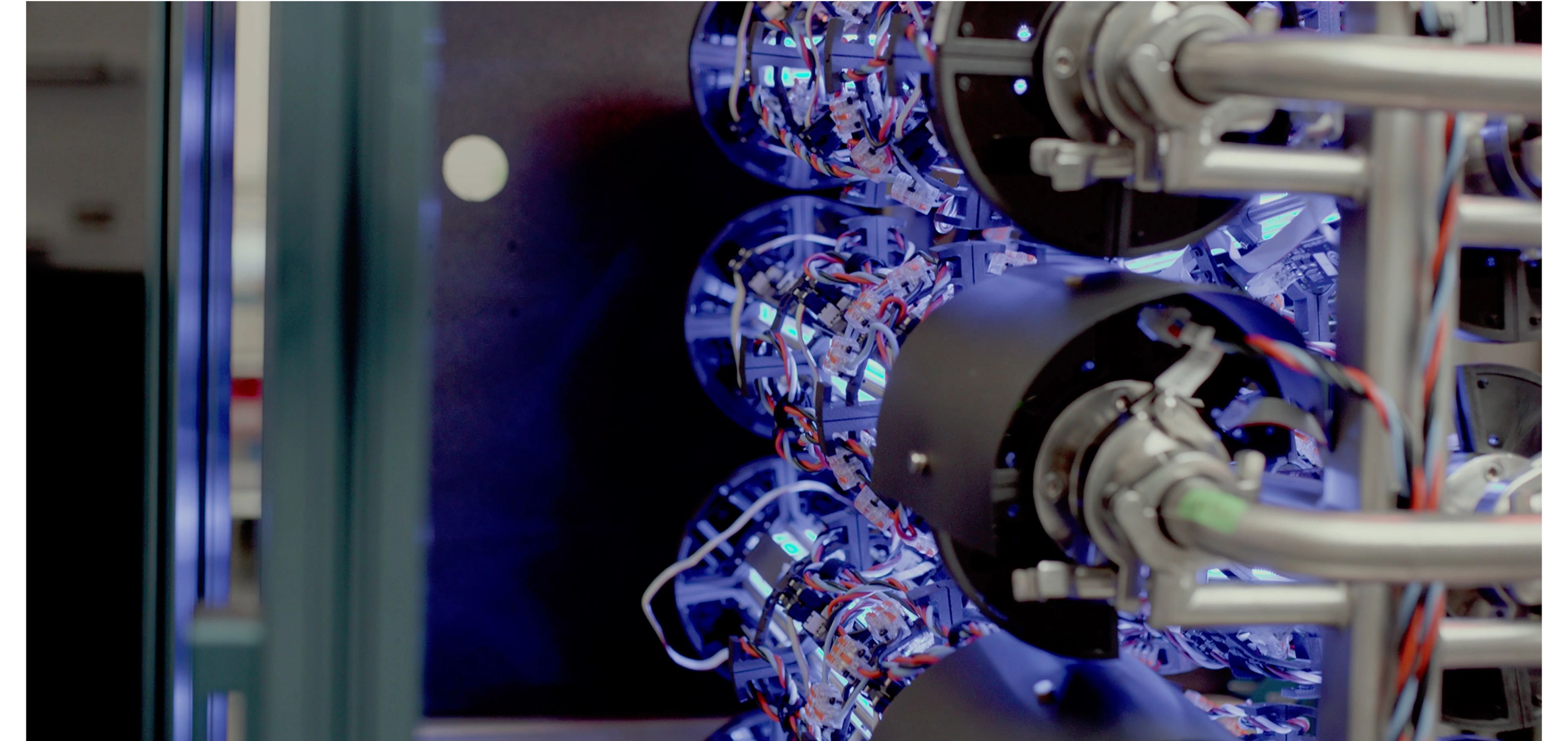
Prolific’s platform combines optogenetic cell line development, modular illumination systems and AI-droven process control, to enable an unprecedented level of control over gene expression, from cell line development all the way to GMP manufacturing.
Industry-record titer · 15-day fed-batch
The highest reported productivity for a 15 day fed-batch mAb production run — achieved with standard infrastructure.
Partner with usEnables complex therapeutics
Bring your complex molecule to market
Provides unprecedented CQA control
Precise, light-driven control over critical quality attributes.
Drop-in compatible
Works with your existing CLD platforms, processes and bioreactors.
How it Works
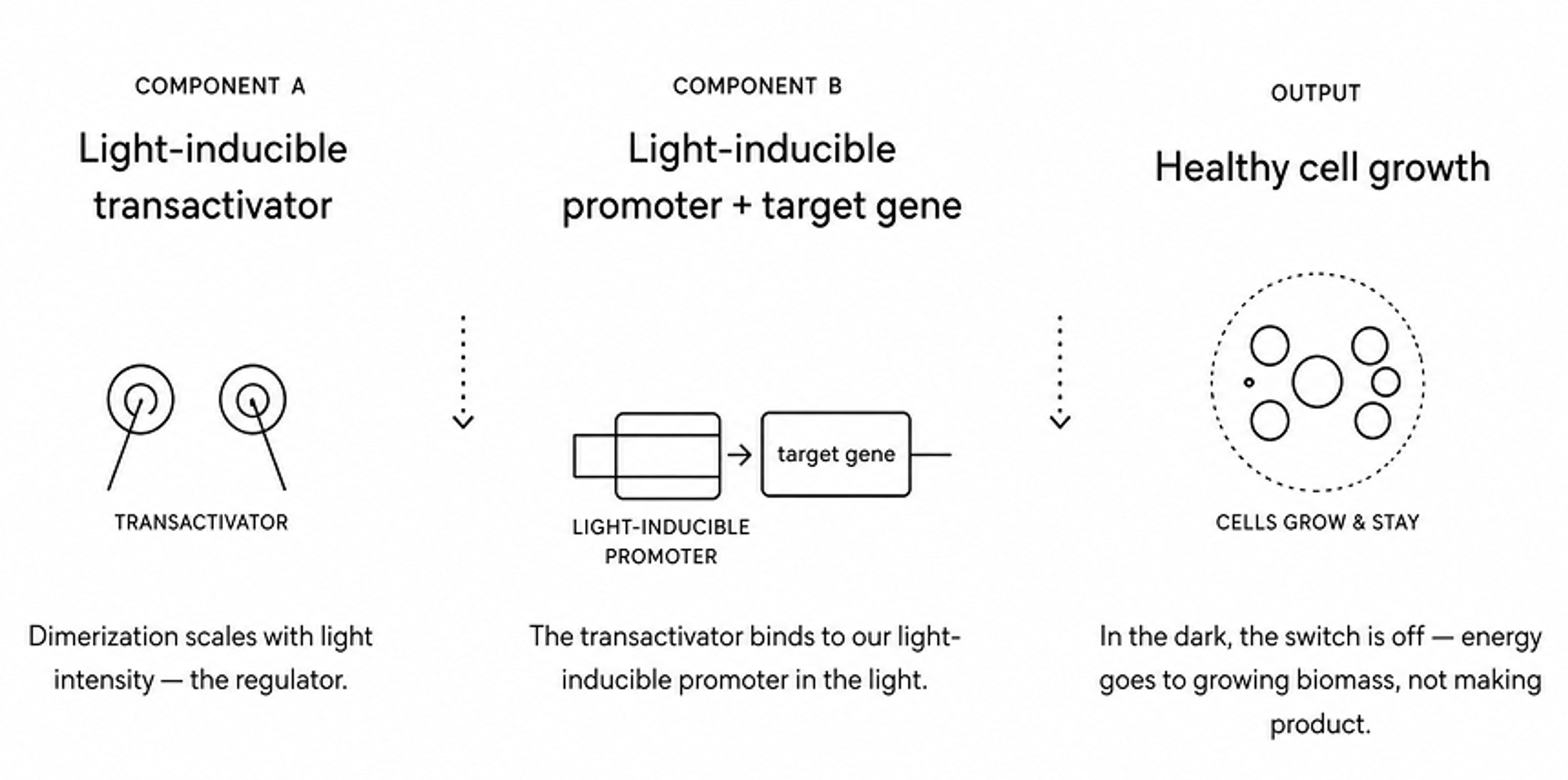
Light-inducible expression systems work by using proteins whose shape and function change when exposed to light.
The system consists of two parts:
A light-inducible transactivator.
A corresponding light-inducible promoter driving the expression of a target gene.
In the dark, the light-inducible transactivator is inactive, and no transcription occurs.
Upon illumination, the light-inducible transactivator becomes active, and is recruited to the light-inducible promoter, starting transcription.
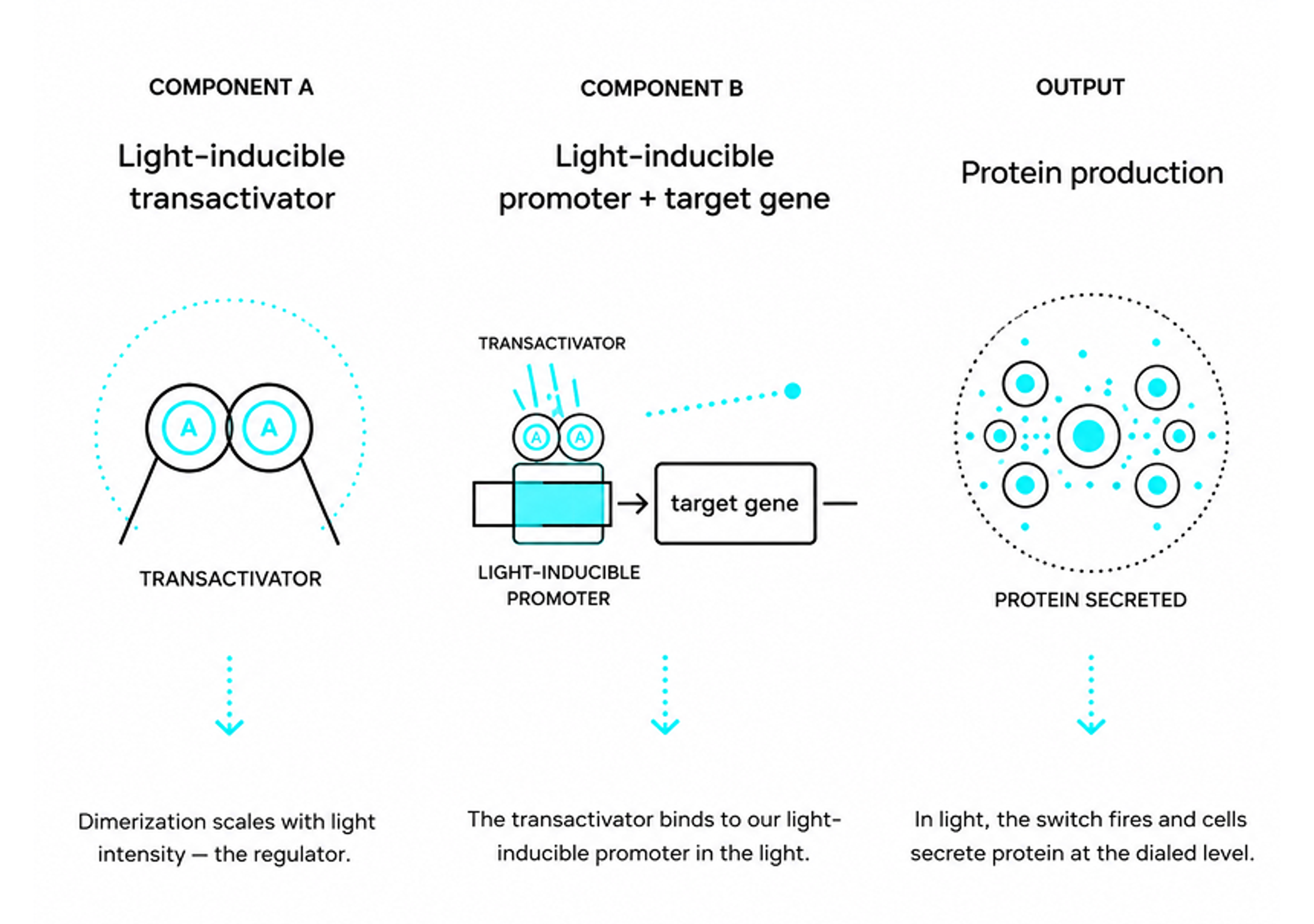
A two-part system, controlled by light.
Data
Expression timing can be precisely controlled, allowing production to begin only after cells have reached optimal density. Expression strength can be tuned by adjusting light intensity or illumination patterns. Because light can be applied and removed repeatedly, gene expression can be modulated dynamically throughout a process. By avoiding the metabolic burden of protein expression during CLD that penalizes the growth of high producers in conventional approaches, clones can be recovered that are highly productive when induced but maintain high rates of proliferation when uninduced.
2x
Yield improvement over CMV - 21g/L mAb titers in intensified fed batch
Control over chain ratios
Accelerated bispecifics development
These capabilities enable manufacturers to implement separate growth and production phases with biological performance optimized for each goal in turn, reduce metabolic burden during expansion, and adjust production strategies for complex molecules.
Prolific’s light-controlled cell lines already exceed industry standard mAb titers, on track for >25g/L in fed batch by Q4 2026
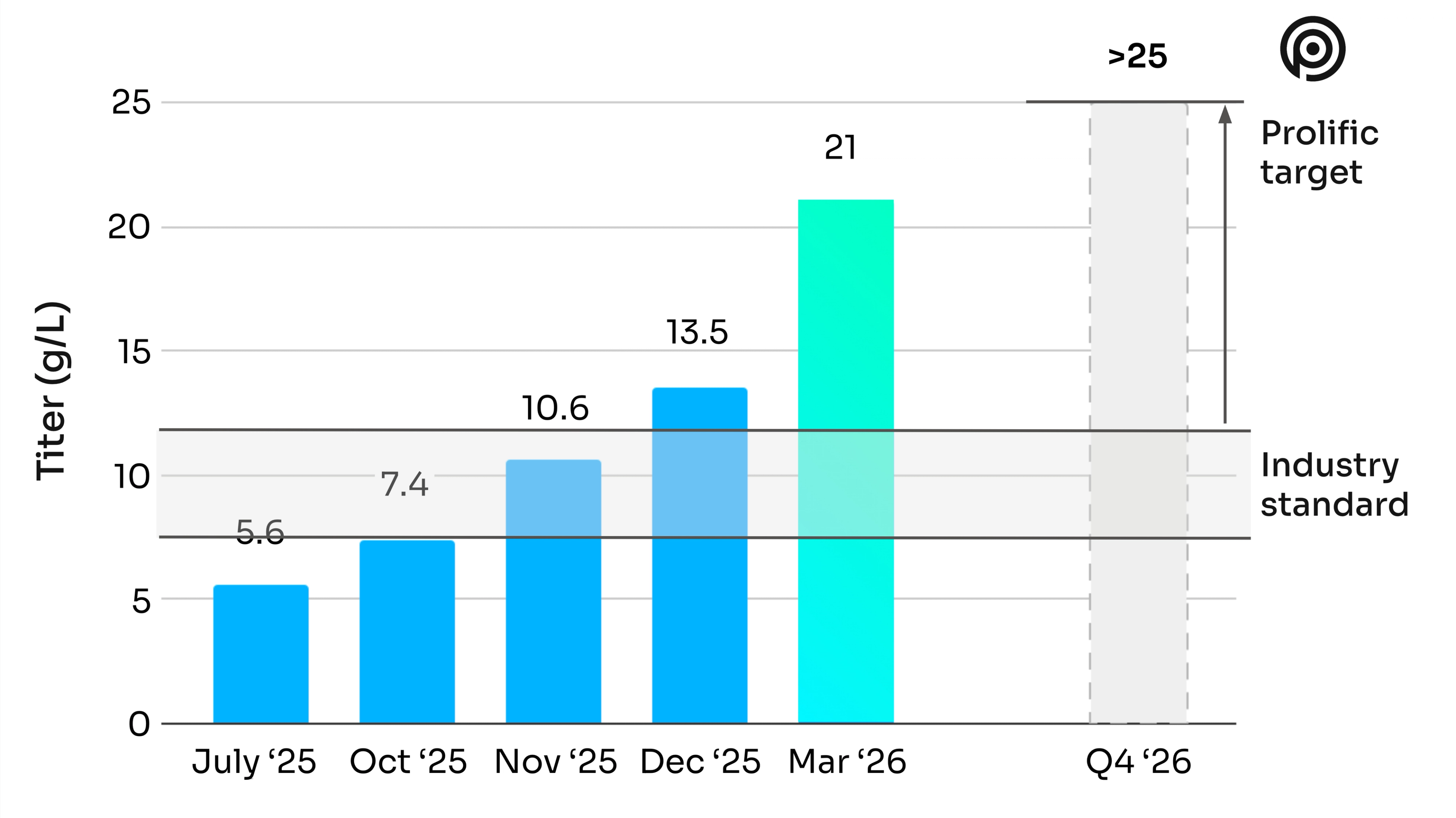
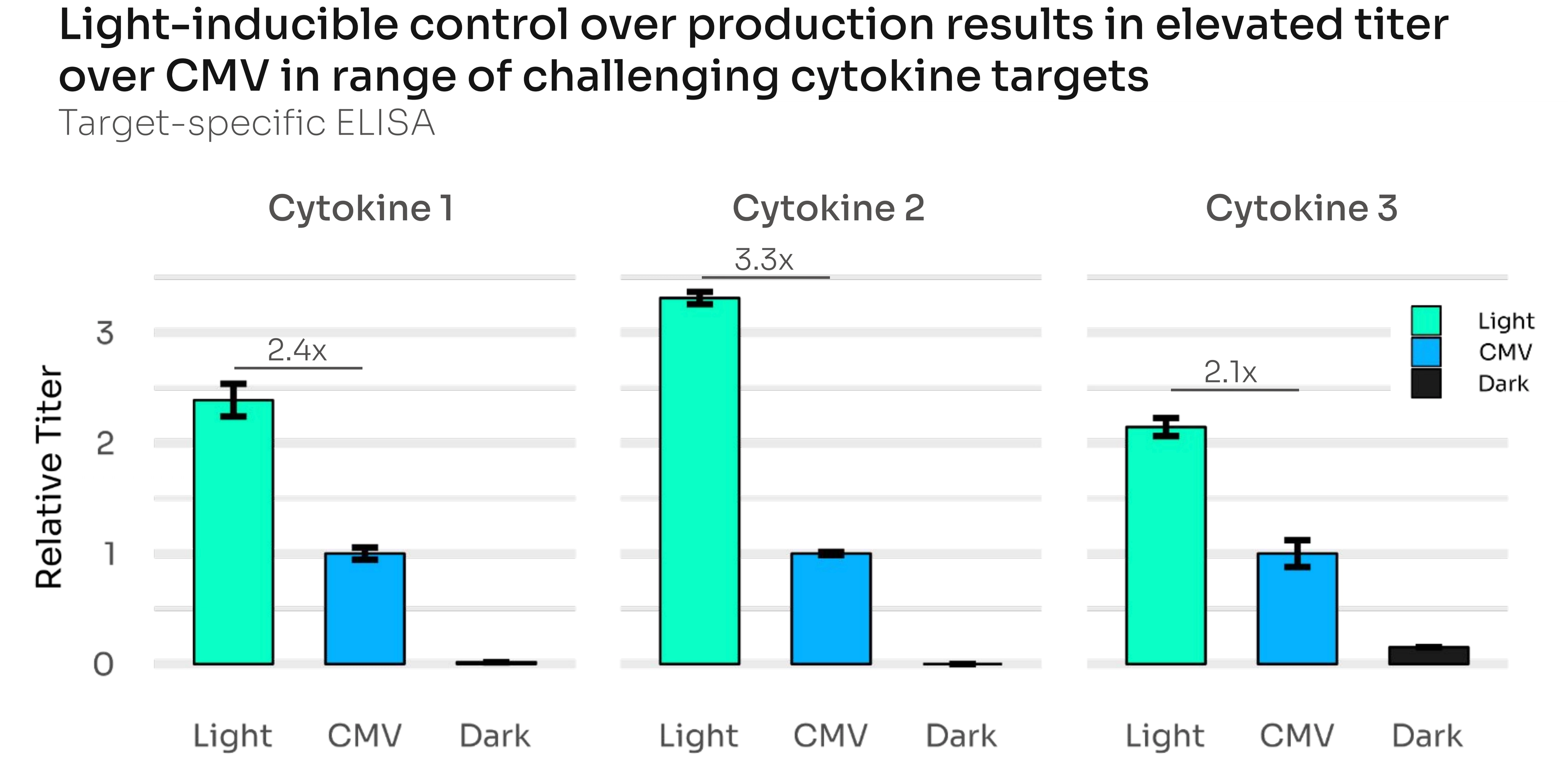
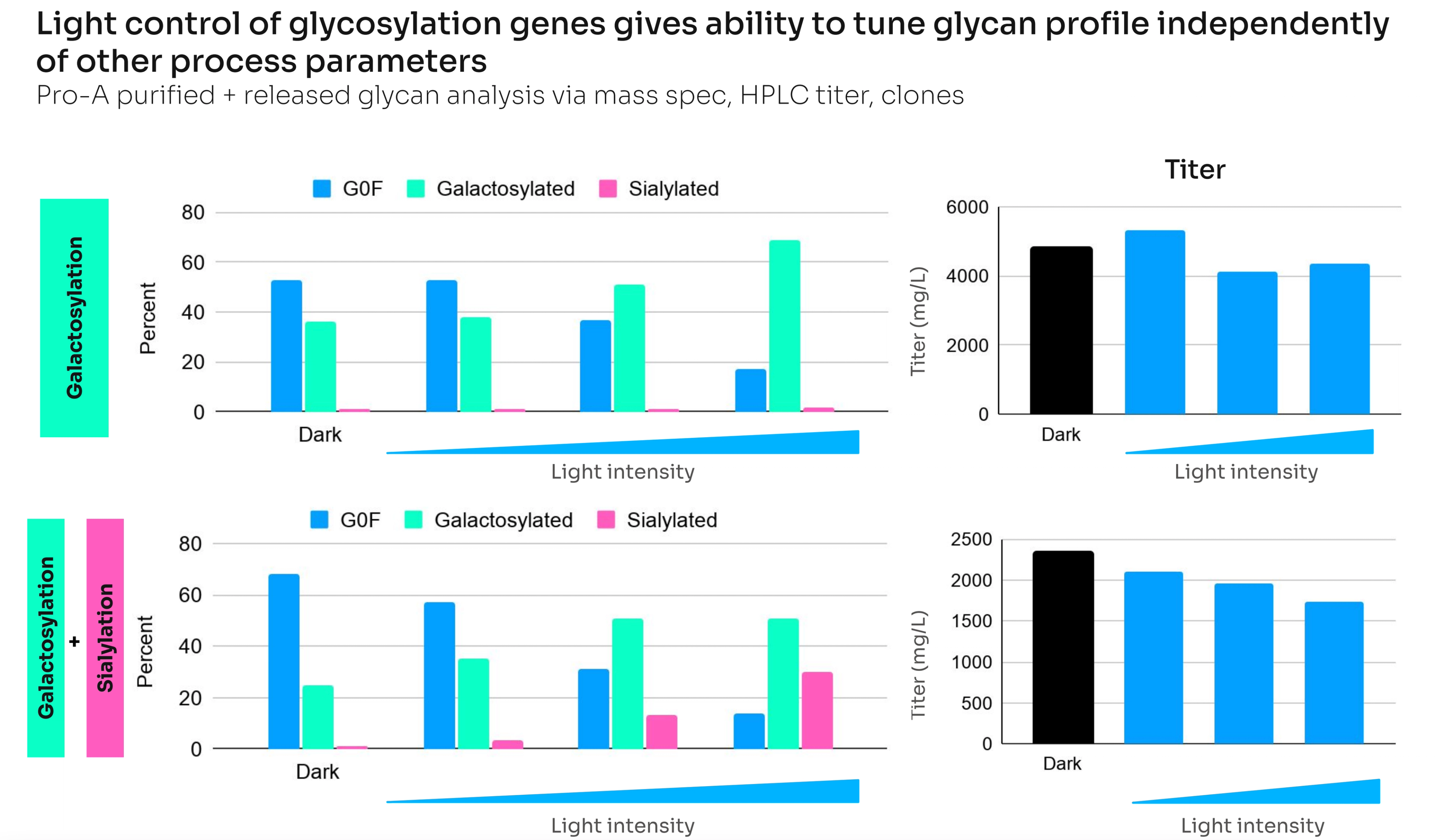
Optogenetic control enables the highest productivity.
Scaling
Prolific has already scaled the technology to 200L, and has built models to show scaling up to 20.000L is feasible.
Optogenetics can be readily scaled to commercial volumes, because only a fraction of the volume of the reactor needs to be illuminated to achieve homogeneous activation of the cells.
The technology scales because cells need very little light, and they don’t need to be illuminated all the time
Optogenetics systems are very sensitive and require low intensity visible and infrared light
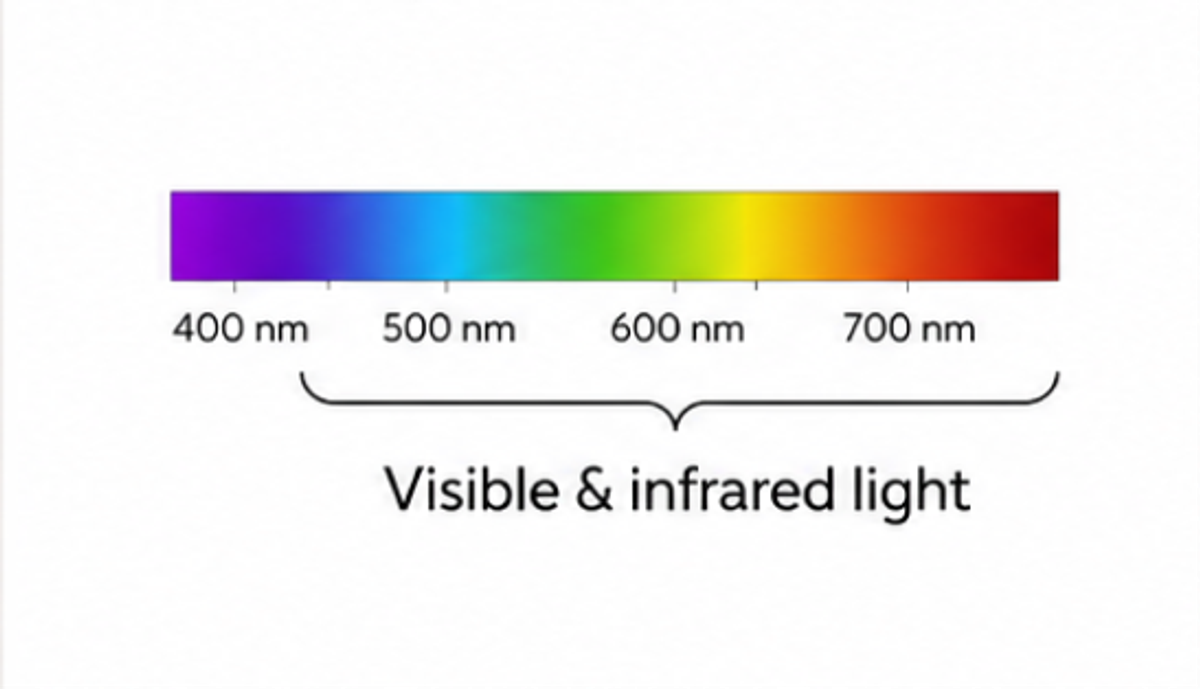
- Visible & infrared light
- Light is a signal, not an energy source
- Only visible and infrared light, no UV light
- Naturally occurring photoreceptors are highly light sensitive
Optogenerics systems stay on once illuminated, no constant illumination required
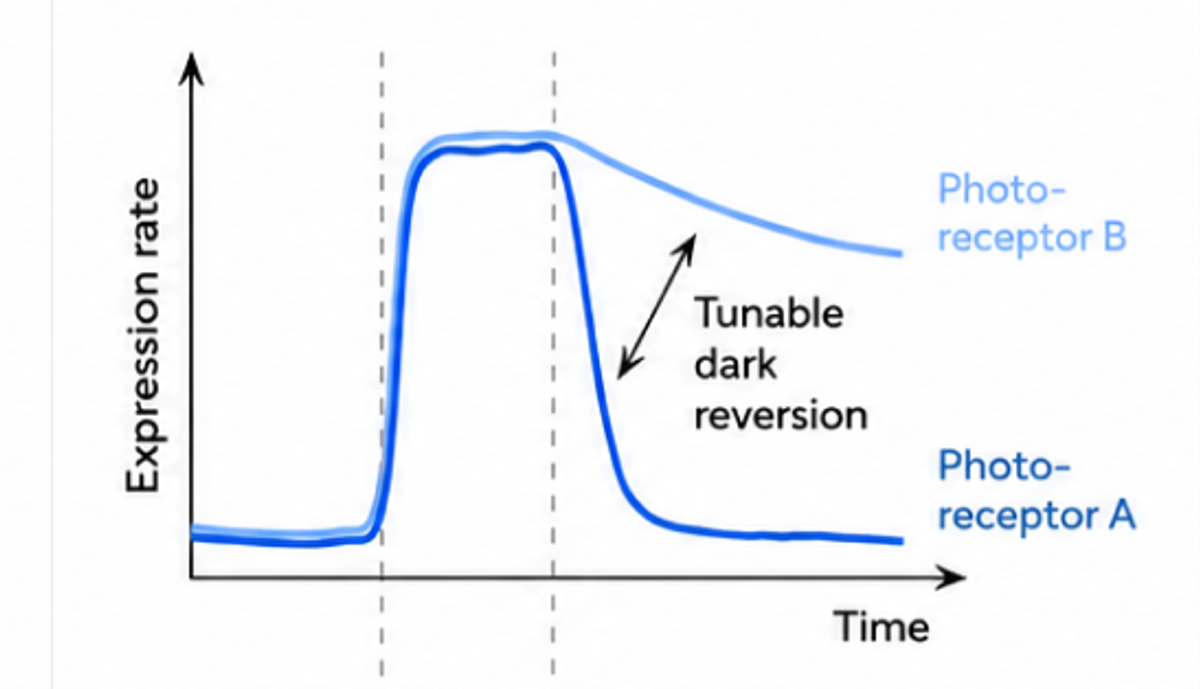
- Photoreceptors stay active upon illumination and revert to ground state with tunable half-life
- Expression is determined by average illumination received
We have validated scalability to 2000 L single use and large scale steel bioreactors
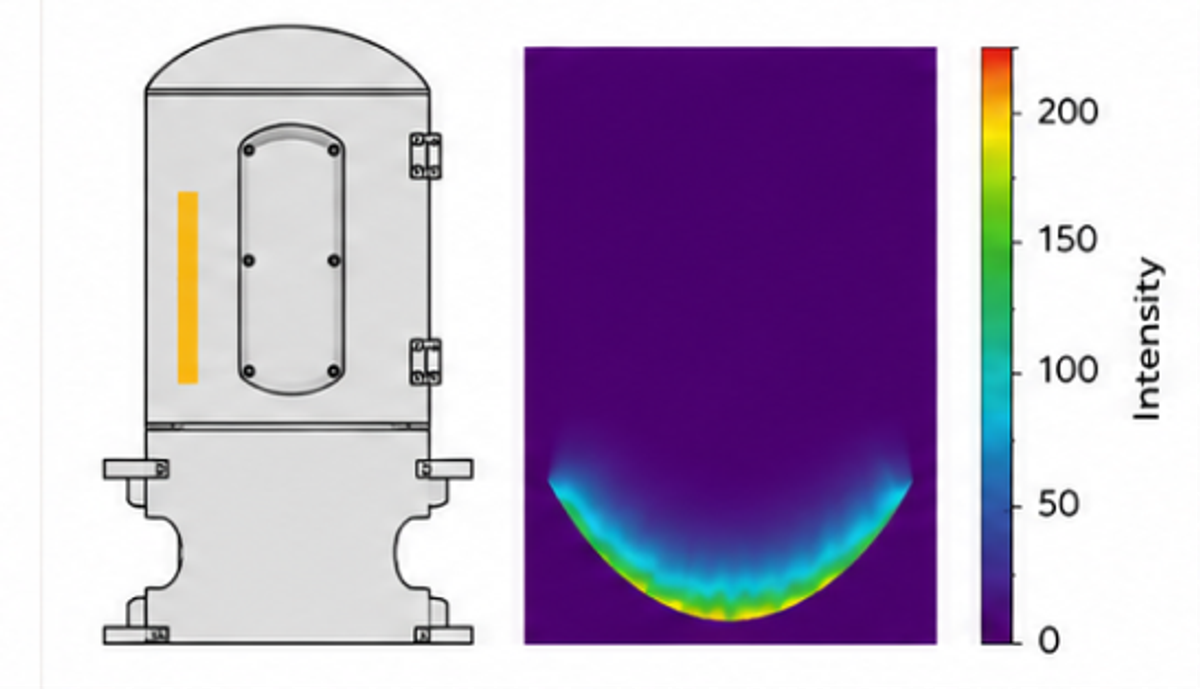
- Finite element & physical modeling using real optical data and data from 50 L and 200 L optogenetic runs
- We tune dark reversion to be compatible with bioreactor mixing times — illuminating 1% of the bioreactor is sufficient
Our Platform & Solutions
Optogenetic cell lines provide the biological foundation for light‑controlled expression. Illumination systems deliver precise optical signals inside bioreactors. Data‑driven process optimization enables the identification of illumination strategies that maximize productivity and process performance.
Together these systems transform gene expression from a static feature of a cell line into a controllable parameter within the manufacturing process.